INDIA | HORSEBACK SAFARI
PALACE TO PALACE
What to Expect
India horseback safari: riding Rajasthan's ancient trails
India does not ease you in gently. It arrives all at once. The color, the noise, the constant beeping of mopeds and motorbikes, cows wandering through busy crossroads, herders moving cattle along dusty tracks, ancient forts rising above dry brushland that stretches to the horizon. There is nowhere on earth quite like Rajasthan on horseback, and nowhere in Rajasthan quite like this ride.
The Palace to Palace trail follows old routes through the foothills of the Aravalli Hills, connecting medieval castles, Jain temples, farming villages, and royal hunting lodges across seven nights that feel less like a safari and more like a genuine immersion into one of the world's most layered cultures.
The operators behind the Rajasthan palace to palace ride
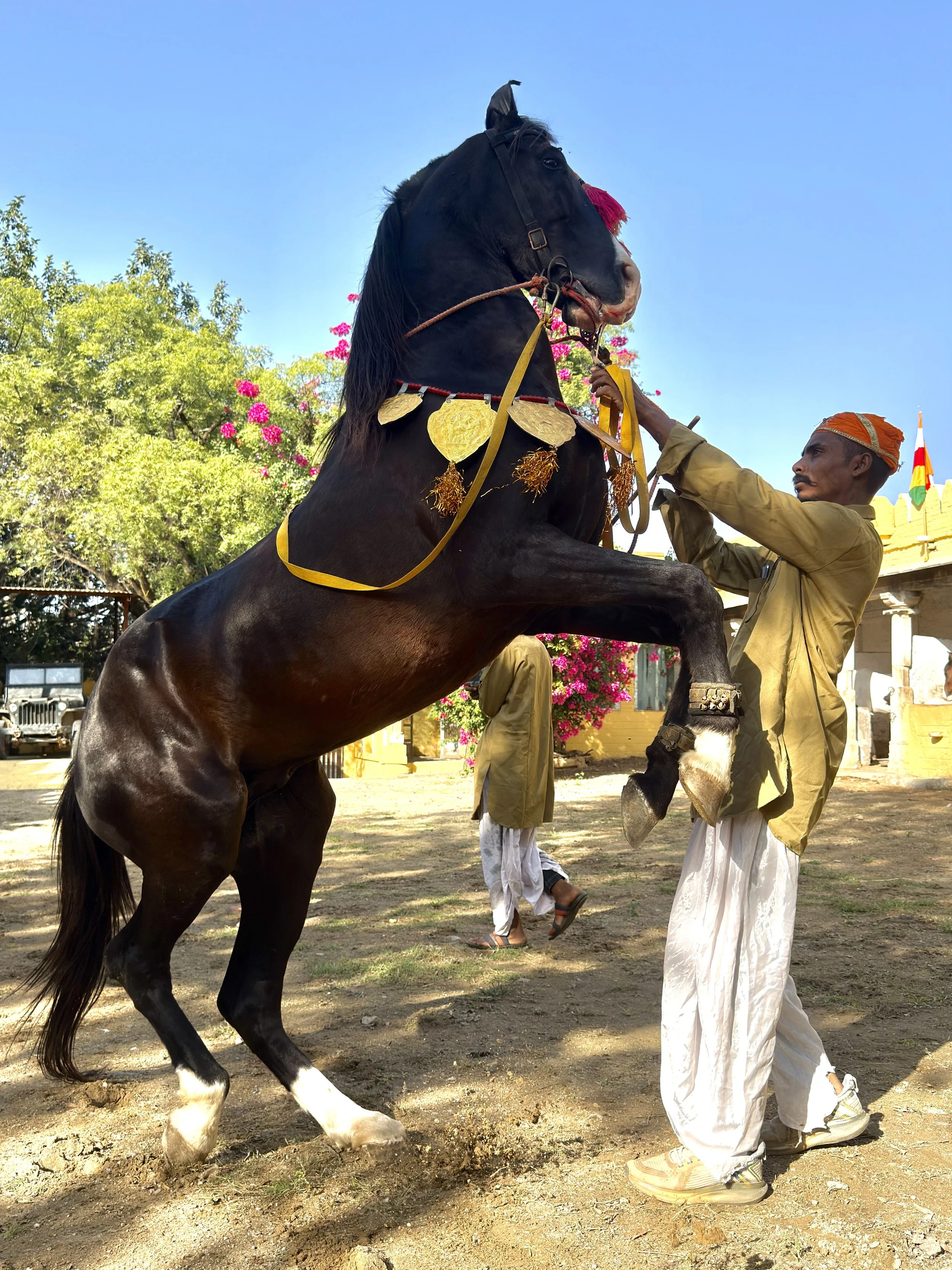
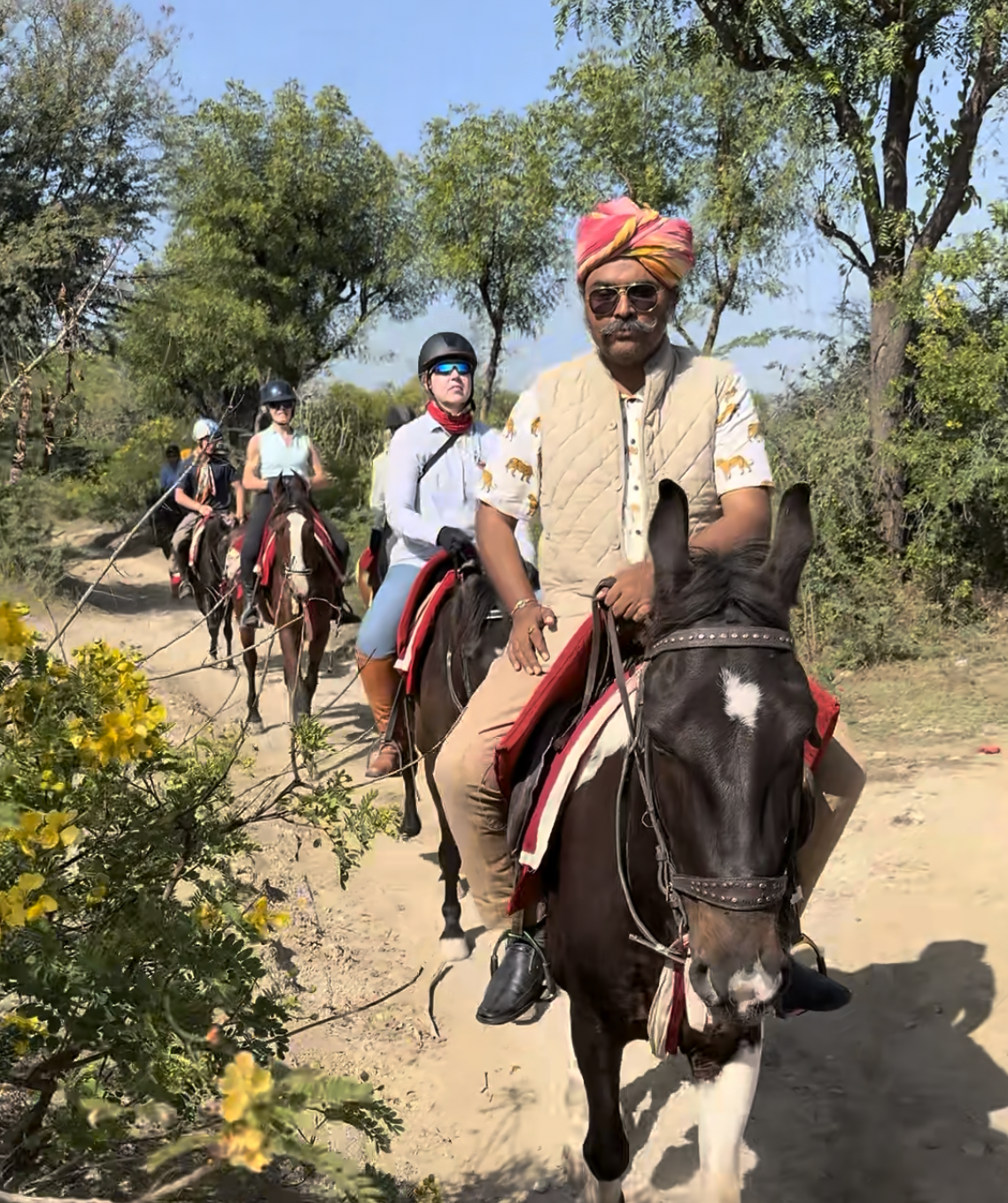
This ride belongs to Ajeet Singh, a Rajasthani horseman whose family has bred Marwari horses for generations. The horses you ride are his own, sourced and trained on his stud farm, indigenous to this land and this landscape. Alongside him is Caroline Moorey, a British rider who fell so completely in love with the Marwari horse and the culture of Rajasthan that she left her previous life behind to work and live here. Between them they know every trail, every village, every family along the route.
Riding Muse has ridden this trip and visited Ajeet's stud farm in person during the ride. Seeing the Marwari horses in their home environment, with the people who have bred and cared for them across generations, gives you an understanding of this breed that you simply cannot get anywhere else. That knowledge and connection carries through every day on the trail.
What the Rajasthan palace to palace ride covers
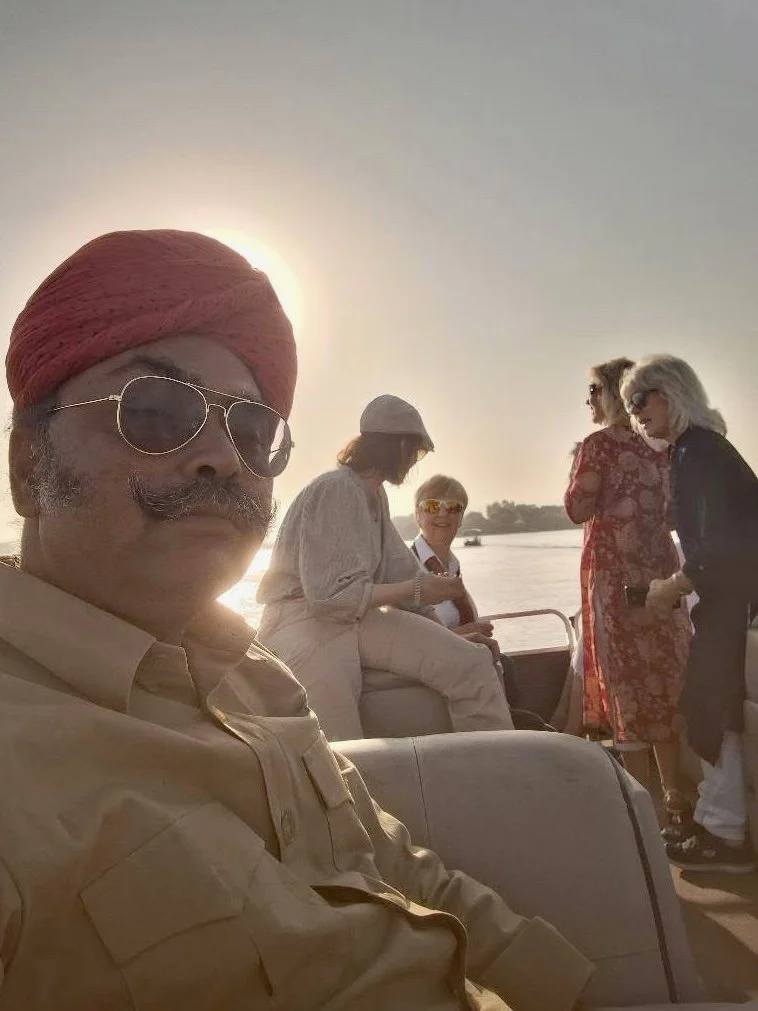
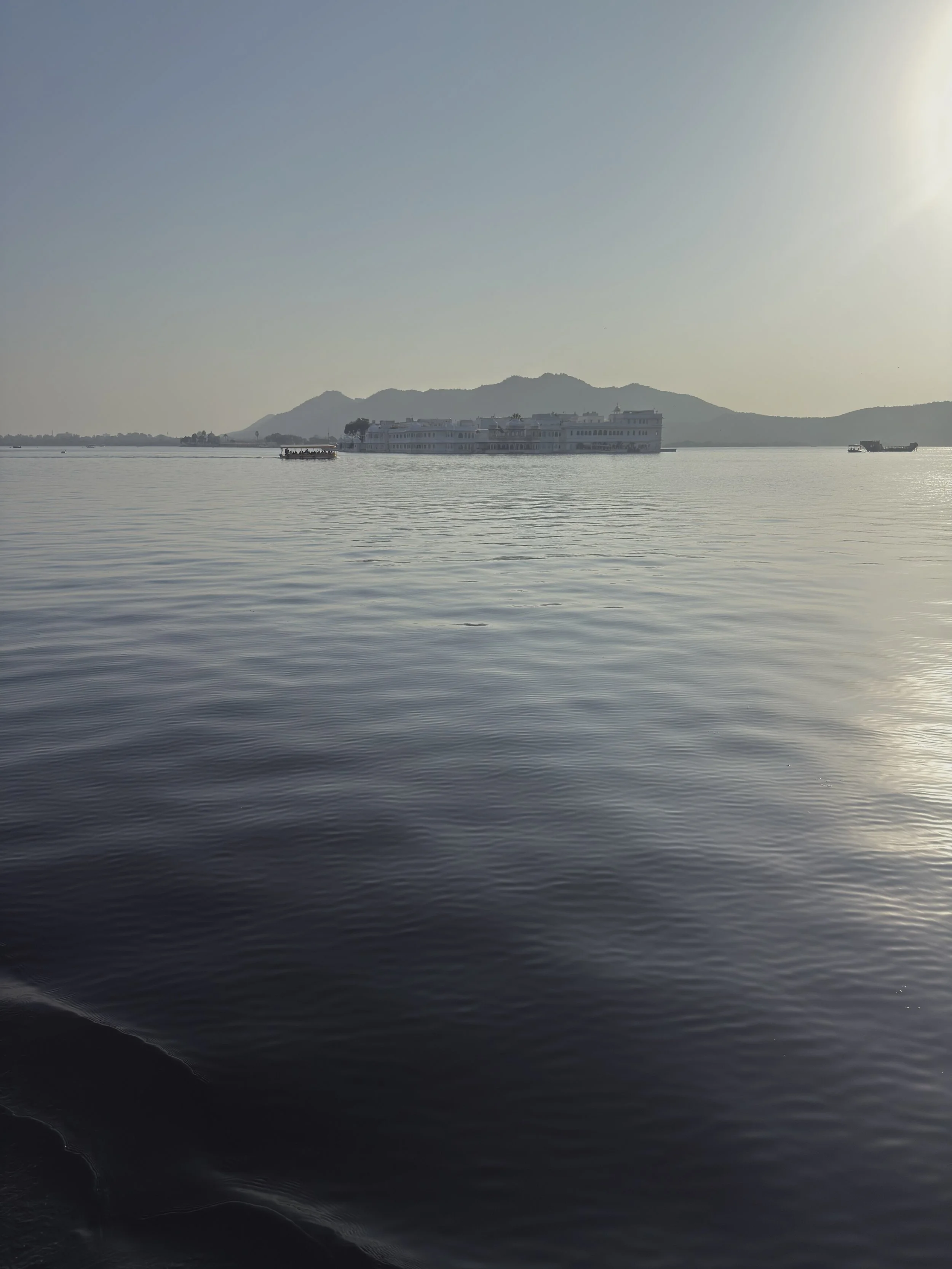
The ride begins in Udaipur, the lake city. An evening boat ride on Lake Pichola sets the tone. The City Palace glowing along the eastern shore, the Lake Palace appearing to float on the water, the Aravalli Hills stretching ochre and purple in every direction. This is the India of paintings and poetry and you are inside it from the first evening.
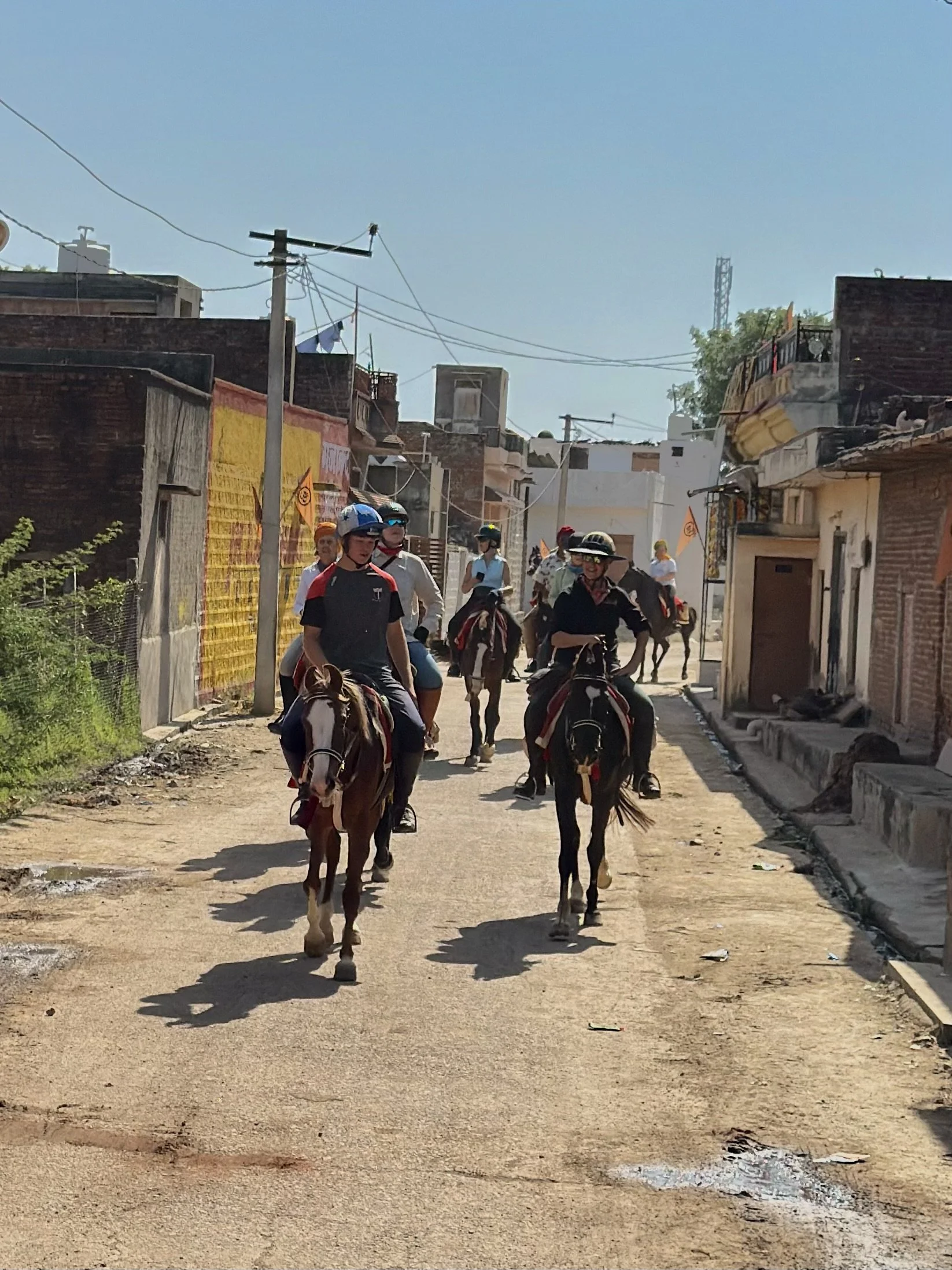
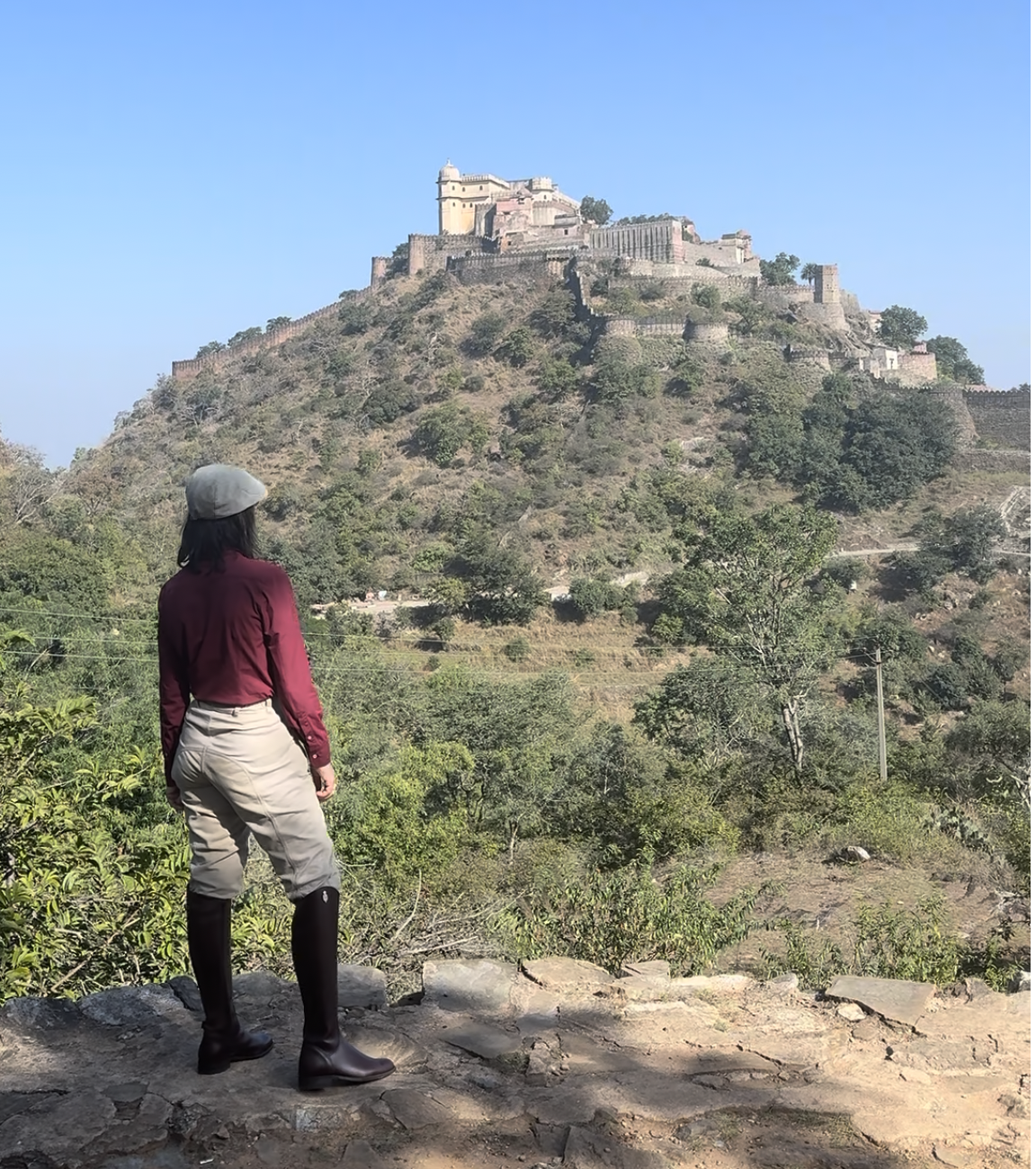
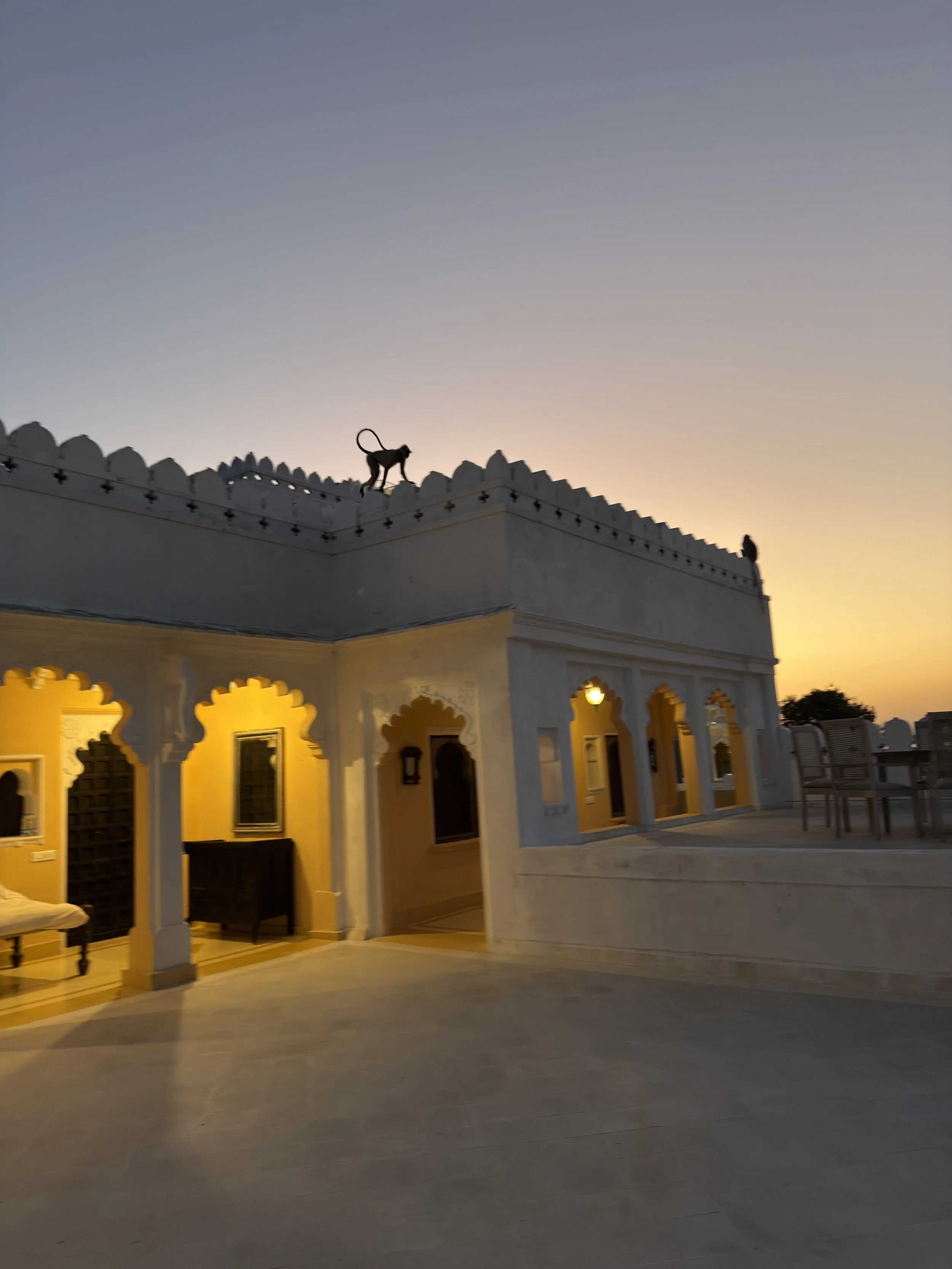
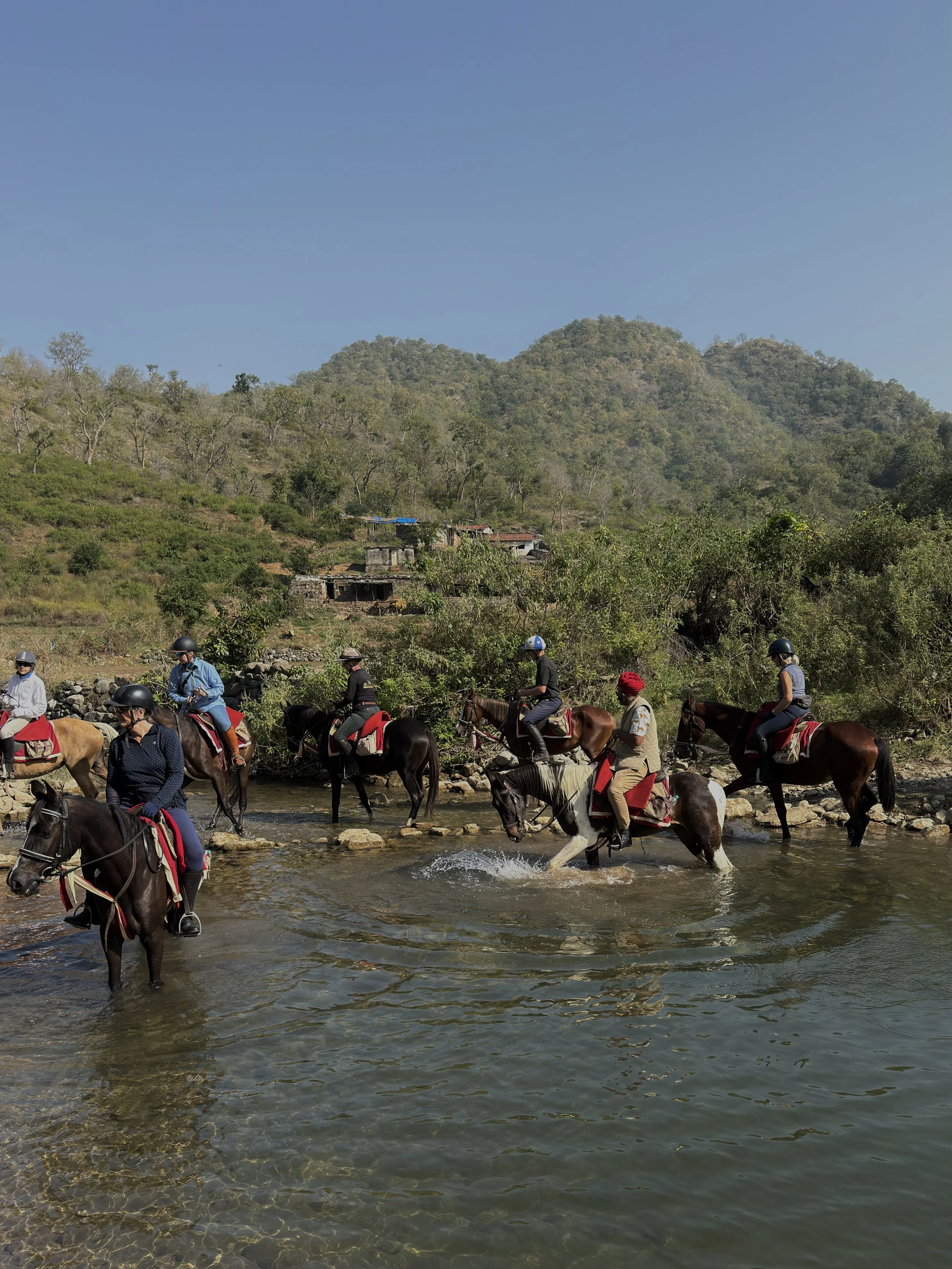
From there the riding begins. Through the shaded forest trails of Kumbhalgarh Sanctuary, past the ancient walls of Kumbhalgarh Fort, one of the great fortifications of Rajasthan, and on to the extraordinary marble Jain temple at Ranakpur built in the 15th century. Then through volcanic rock formations, dry brushland, and open plains, past rural villages and lakes, arriving each evening at castles and family palaces that have barely changed in centuries. Ghanerao Rawla, built in 1606, where the royal family still lives. Kotri Castle, a 200-year-old heritage fort set in a farming village at the foot of the Aravalli Hills. Rawla Narlai, a 17th century hunting lodge of the Jodhpur royal family, restored with extraordinary care. Candlelit dinners in rooms furnished from another era. Rooftop meals under open sky.
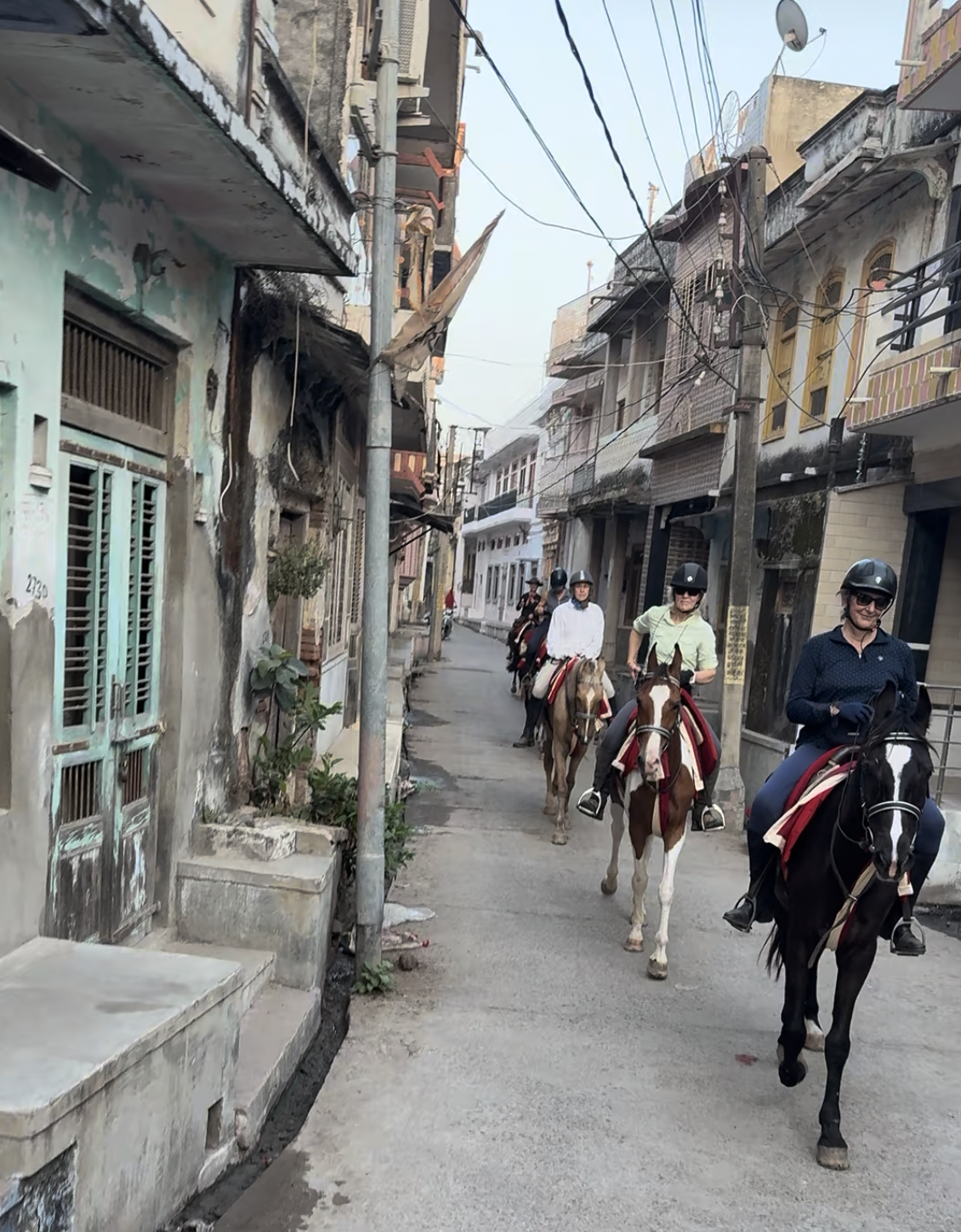
The days are long, typically around six hours in the saddle, but the pace is unhurried. Mostly walking, some trotting, occasional cantering on open ground. The riding is the vehicle for the experience, not the experience itself. You are moving through living history, through villages where people watch from doorways and school yards, through terrain that has looked this way for centuries.
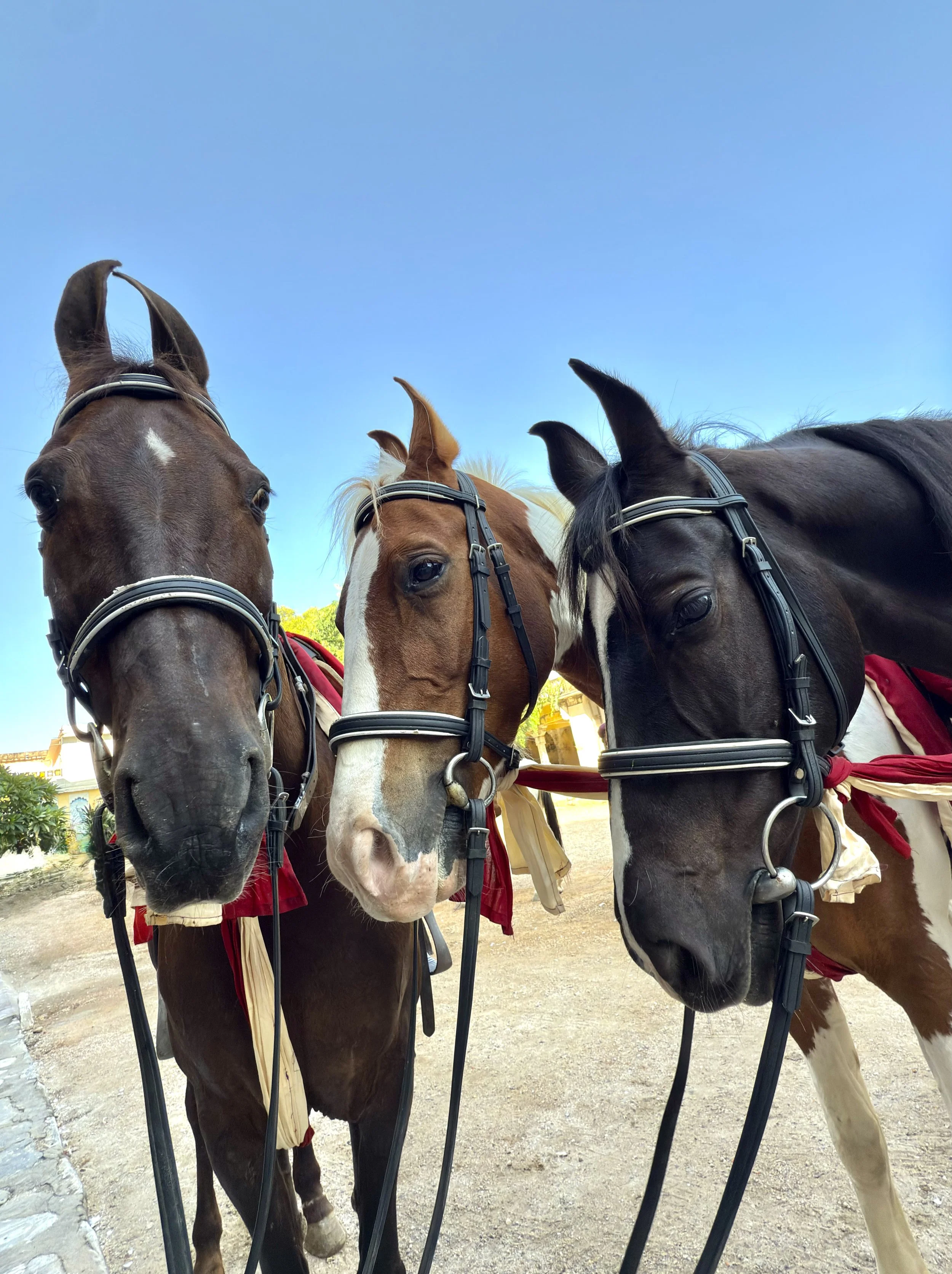
The Marwari horses carry you through all of it. Their distinctive curved ears, high arched head carriage, and smooth powerful gait make them unlike any horse you have ridden before. They are completely at home in this landscape and completely unfazed by the full sensory intensity of rural India around them.
The transfers by road between cities are part of the experience too. The organised chaos of Indian traffic, cows holding entire streets to ransom, mopeds threading through every gap, market towns spilling color and noise onto every surface. India does not stay outside the windows. It comes straight through them.
Who is the palace to palace Rajasthan ride best suited for
This ride is for intermediate riders and above. The daily hours in the saddle are long and a novice rider would find that genuinely demanding. But the pace is gentle and the emphasis is cultural rather than athletic. You do not need to be a strong or fast rider to do this trip well. You need to be comfortable in the saddle for a full day and genuinely curious about the world around you.
It is one of the most visually extraordinary trips we recommend. Rajasthan's palette of saffron, rose, dusty gold, and deep indigo makes every hour on horseback feel like riding through a living painting.
If you are looking for a more physically demanding and fast-paced ride, the Namibia desert expedition or the Kenya Rocky Hollow safari will suit you better. But if India has been calling you, this is the ride that answers it properly.
What to wear on a Rajasthan horseback safari
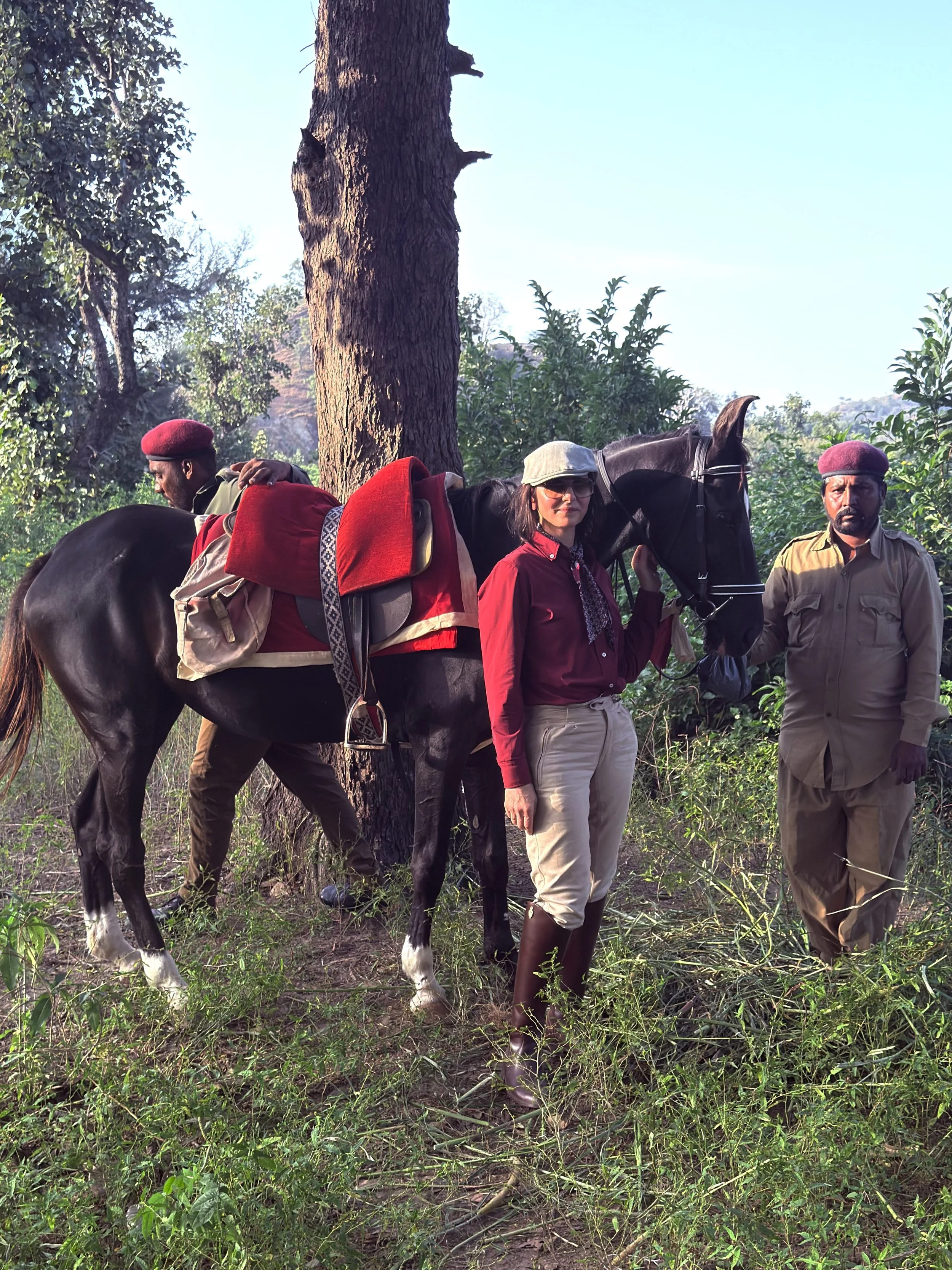
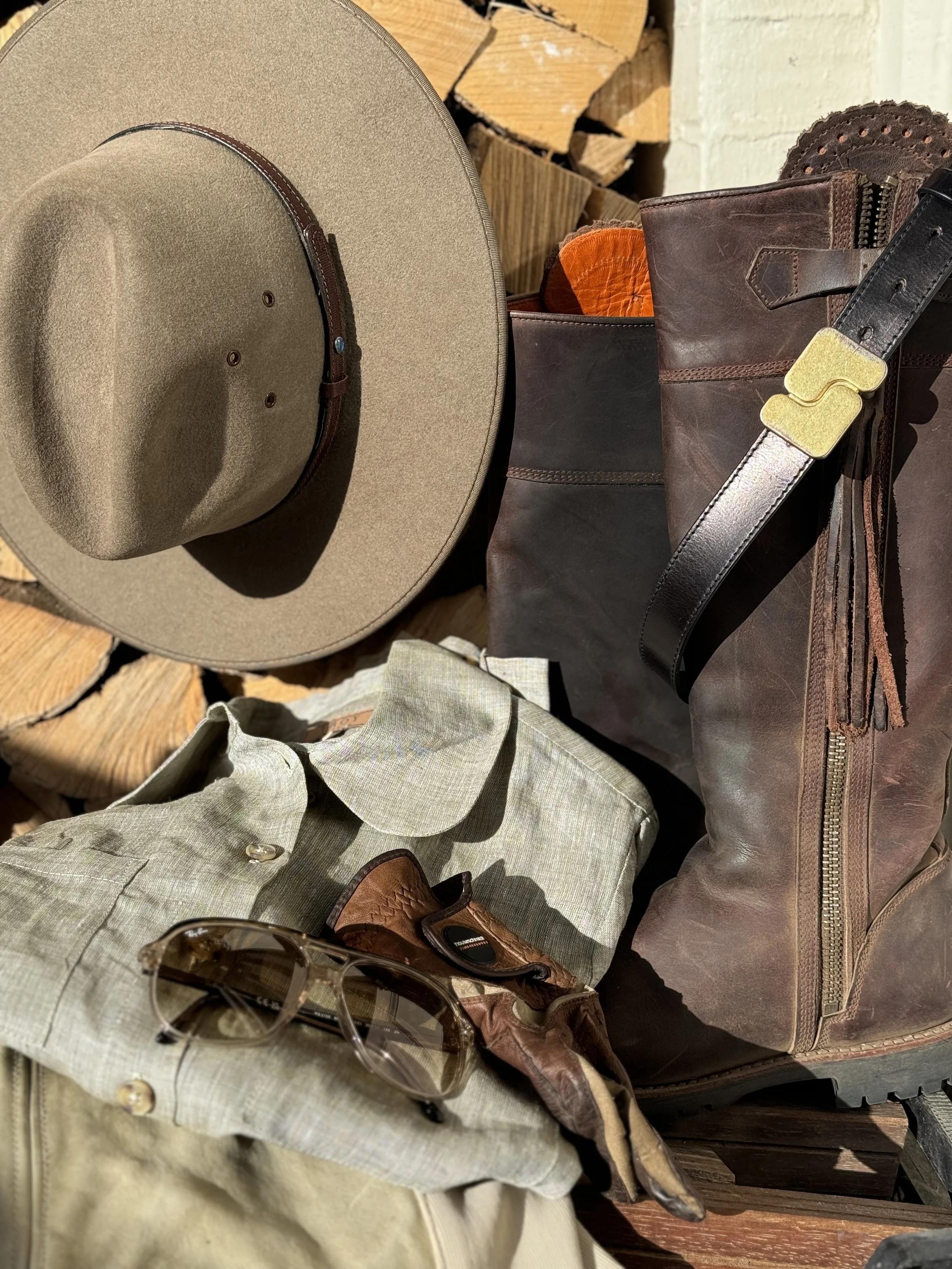
The ride runs October to March when temperatures are warm by day and cool at night, especially in the Aravalli Hills. Lightweight breathable breeches, a cotton or linen shirt for the heat of the day, and a warm layer for early mornings and evenings are essential. Dust is constant on this ride so a buff or scarf is non-negotiable.
Earth tones work beautifully here both practically and visually, though Rajasthan's own colors will give you serious competition. Comfortable riding boots with a low heel are recommended over ankle boots for the long hours in the saddle.
Explore the India packing guide
Plan your India horseback safari with Riding Muse
The Palace to Palace ride is one of the most culturally rich trips we recommend. When you enquire through Riding Muse we share everything we know from our own time on this ride, help you understand whether it is the right fit for your level, and connect you directly with our trusted booking partners.
Every recommendation we make is personal. That is the only way we work.
Helpful Information
India styling & packing tips
When packing for Patagonia, especially for horseback adventures in the Andes, think in layers—both for style and practicality. The high-altitude climate can shift dramatically between sun-drenched afternoons and wind-bitten evenings, so it’s essential to prepare for extremes. Begin with breathable base layers, then add natural fiber pieces like merino wool sweaters or felted wool vests—materials that insulate while allowing airflow. Take inspiration from the local gauchos, who have long relied on the elegance and efficiency of traditional wool ponchos to shield against mountain winds.
Opt for a palette of earthy tones—muted browns, mossy greens, ochres, and off-whites—that echo the surrounding landscape and photograph beautifully. Avoid synthetic fabrics that trap moisture and break the aesthetic rhythm. Dressing this way not only ensures comfort in the elements but also aligns you with the raw, timeless spirit of the region. This destination offers opportunities to purchase incredible hand-made leather goods like belts and saddles, Argentina being the home of polo – so leave a little space in your bag!
Not sure what to pack?
Want to go?